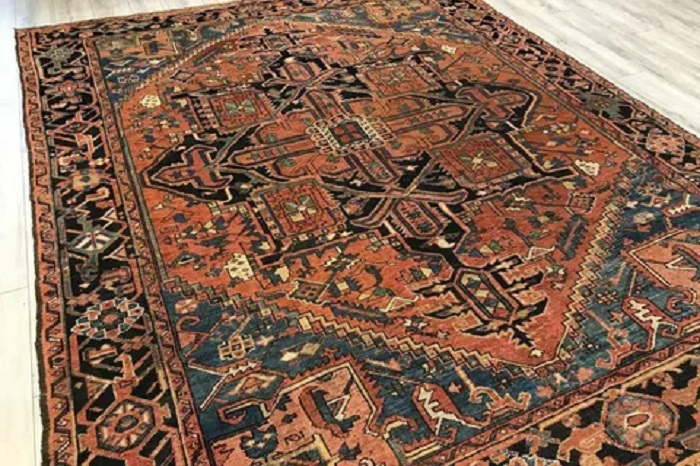
For centuries, Persian rugs have been regarded as symbols of artistic mastery, cultural heritage, and enduring value. In 2025, their presence in luxury interiors remains unmistakable—but the question many collectors and homeowners ask today is whether these rugs still hold the same investment appeal they once did. With the rise of contemporary rug design, shifting global markets, and new consumer priorities, evaluating the long-term worth of a Persian rug requires a clear understanding of both craftsmanship and market realities.
Those exploring the modern rug market often turn to curated platforms such as SayRUG.co.uk, where traditional Persian pieces stand alongside contemporary luxury designs. Yet even with ample choice, the true value of a Persian rug depends on several interconnected factors—quality, rarity, condition, and timeless aesthetic appeal.
1. The Cultural and Artistic Value Remains Unmatched
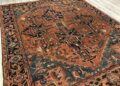
Persian rugs are not merely decorative objects; they are woven artworks created through techniques refined over centuries. Their motifs, color combinations, and weaving styles reflect the cultural identity of specific regions such as Tabriz, Kashan, Isfahan, Kerman, and Qom. This heritage is irreplaceable—and in 2025, it continues to elevate Persian rugs above mass-produced alternatives.
Because each hand-knotted piece represents months of skilled labor, the rarity and artistic depth embedded in authentic Persian rugs maintain their relevance. Unlike many modern items that lose appeal as trends shift, Persian patterns age gracefully and remain desirable across generations.
2. Market Trends Show Steady Long-Term Value
While the global rug market has seen fluctuations, Persian rugs consistently hold value over extended periods. Antique and semi-antique pieces—particularly those in excellent condition—often appreciate due to their scarcity and craftsmanship. Even contemporary Persian rugs, when finely woven, tend to retain strong resale potential.
One factor driving long-term value is the decline in the number of master weavers. As fewer artisans continue traditional practices, high-quality handmade rugs become rarer each year, naturally boosting their collectability and financial worth.
3. Persian Rugs Outperform Trends in Luxury Interiors
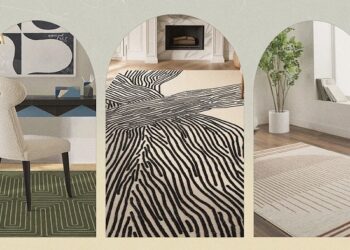
A significant reason Persian rugs remain investment-worthy is their adaptability. In 2025, interior design trends lean toward minimalism, organic modernism, and blended textures. Surprisingly, Persian rugs fit effortlessly into these trends, acting as warm counterpoints to clean lines and neutral palettes.
The juxtaposition of intricate hand-knotted rugs within minimalist or contemporary spaces creates depth that synthetically produced rugs cannot replicate. Their ability to anchor a room, define visual warmth, and elevate understated interiors ensures they remain relevant no matter how design trends evolve.
4. Handmade Quality Surpasses Modern Machine Production
Machine-made rugs may mimic Persian designs, but they lack the tactile richness and durability of hand-knotted originals. A genuine Persian rug can last generations with proper care, making it not just a purchase but an heirloom.
The value lies not only in longevity but also in the physical comfort of natural fibers and the uniqueness of hand-spun wool or silk. No two authentic Persian rugs are ever truly identical—a trait that reinforces their investment appeal in a world filled with mass production.
5. Considerations for Buyers in 2025
To determine whether a Persian rug is a sound investment, buyers should evaluate:
- Authenticity: Ensure the rug is handmade and originates from a recognized weaving region.
- Knot density: Higher KPSI (knots per square inch) typically indicates finer craftsmanship.
- Material quality: Look for high-grade wool, natural dyes, and silk highlights in premium pieces.
- Condition: Well-preserved antique rugs often carry substantial investment potential.
- Seller reputation: Buying through trusted platforms prevents misrepresentation or inflated pricing.
Marketplaces like SayRUG.co.uk provide authentication details, material specifications, and origin information, helping buyers make informed decisions.
6. Final Verdict: Still Worth the Investment?
In 2025, Persian rugs remain one of the few interior pieces that balance artistry, history, and financial value. Their enduring appeal transcends trends, and their craftsmanship cannot be replicated by modern technology. While not every Persian rug is destined to appreciate dramatically, a thoughtfully chosen piece—especially one with high knot density, natural dyes, and strong provenance—can be both a cherished home element and a lasting investment.
Ultimately, Persian rugs continue to offer something increasingly rare in today’s design world: authenticity, cultural depth, and a beauty that matures rather than fades. For collectors, homeowners, and design enthusiasts alike, they remain undeniably worth considering in 2025 and beyond.